How can we design a factory capable of reading its own data, updating its digital models, and making faster, more reliable decisions? This is the question at the heart of MOTOWN – “Smart Production Planning and Control for Manufacturing of Electric Vehicle Powertrain in Industry 4.0 Environment”, a PRIN 2022 project dedicated to the intelligent planning and control of the production of components for electric powertrains.
The project, now concluded, addressed one of the key challenges of advanced manufacturing for electric mobility: making the production systems used to manufacture hairpin stators, key components of electric motors, more efficient, flexible, and data-driven. MOTOWN focused on three main objectives: supporting context-aware production decisions, building digital models capable of automatically adapting to the evolution of the system, and effectively synchronizing physical and digital systems.
The result is a framework that integrates process mining, discrete-event simulation, and artificial intelligence to support data-driven production planning. The solutions developed include job sequencing and flow-control rules to improve line efficiency, together with predictive machine learning models designed to identify critical conditions in advance, such as potential deadlock situations.
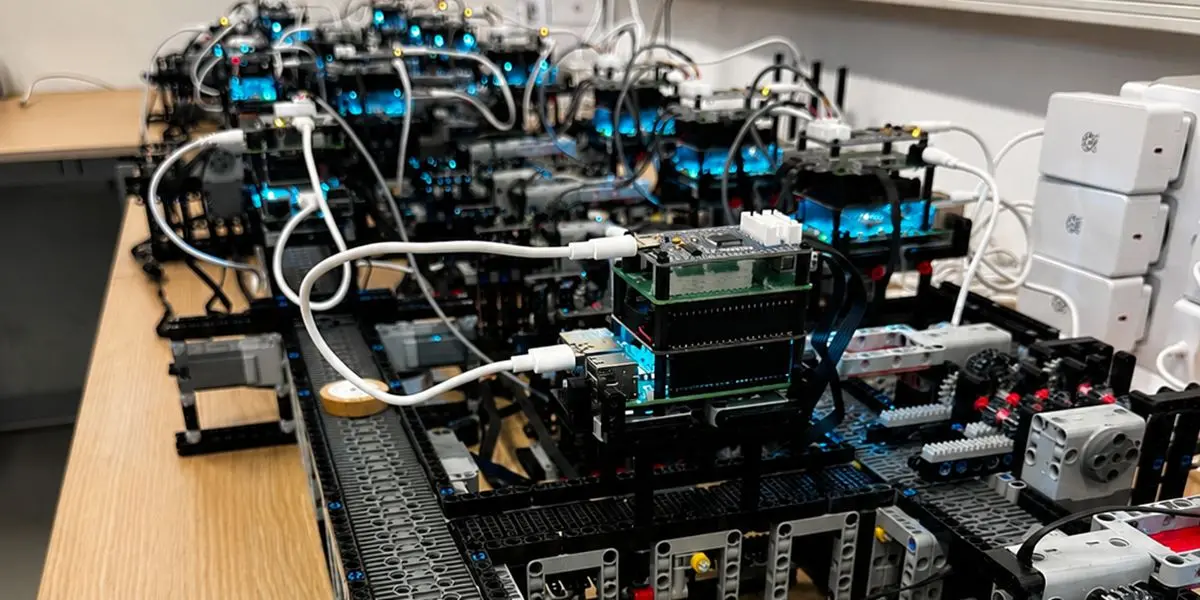
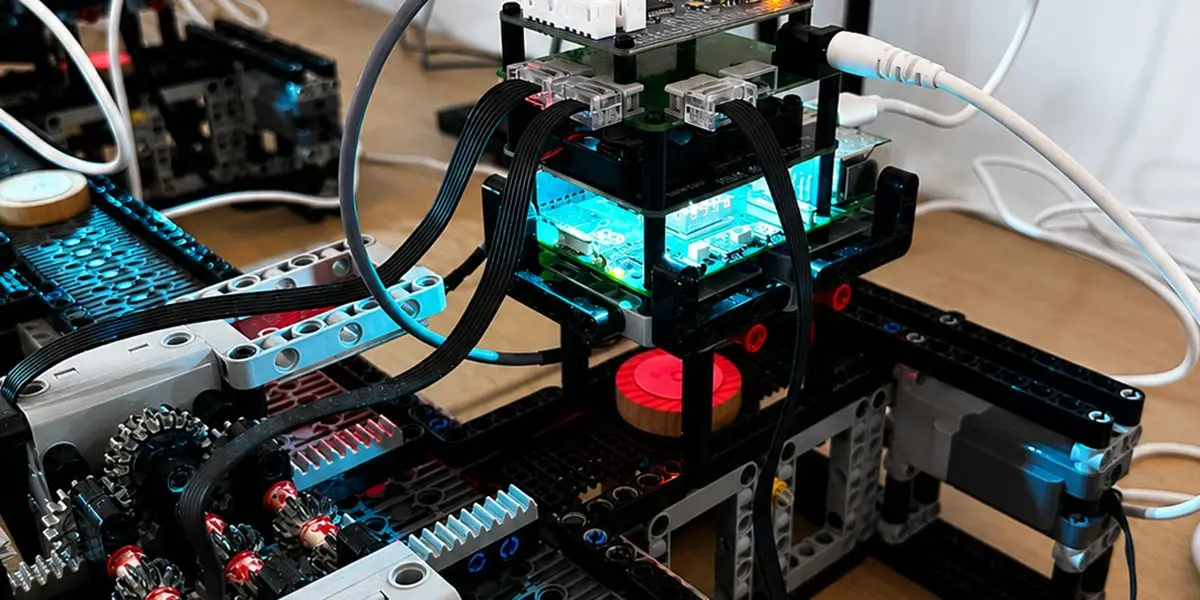
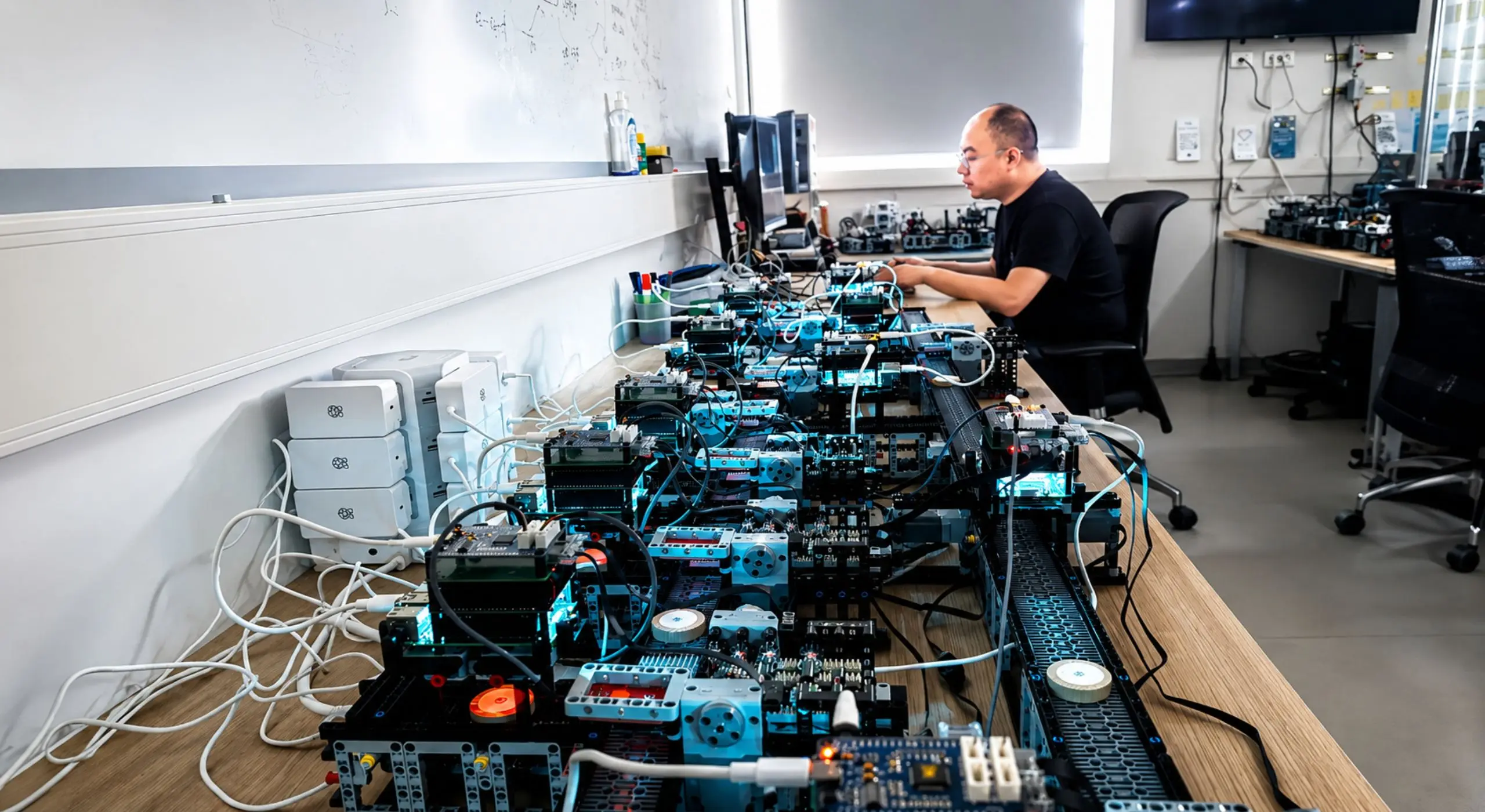
The methodologies were validated both in a simulation environment and through a scaled physical demonstrator of a stator production system, built using LEGO® Mindstorms components and Raspberry Pi controllers. The model, synchronized with the digital environment via the MQTT protocol, made it possible to test the integration of field data, digital models, and decision-making algorithms.
MOTOWN involved six Italian universities: Politecnico di Milano, Politecnico di Torino, the University of Catania, the University of Cagliari, the University of Palermo, and Sapienza University of Rome, bringing together expertise in manufacturing, automation, and computing.
The conclusion of MOTOWN opens up new perspectives for next-generation production systems, in which digital twins, artificial intelligence, and human expertise can collaborate in an increasingly integrated way. The project thus contributes to the digital transformation of manufacturing for electric mobility, providing tools to design smarter, more connected, and more resilient factories.
The project, coordinated by the Department of Mechanical Engineering, involved the active participation of the research group composed of Nicla Firgerio and Lulai Zhu, under the leadership of project coordinator Andrea Matta.